
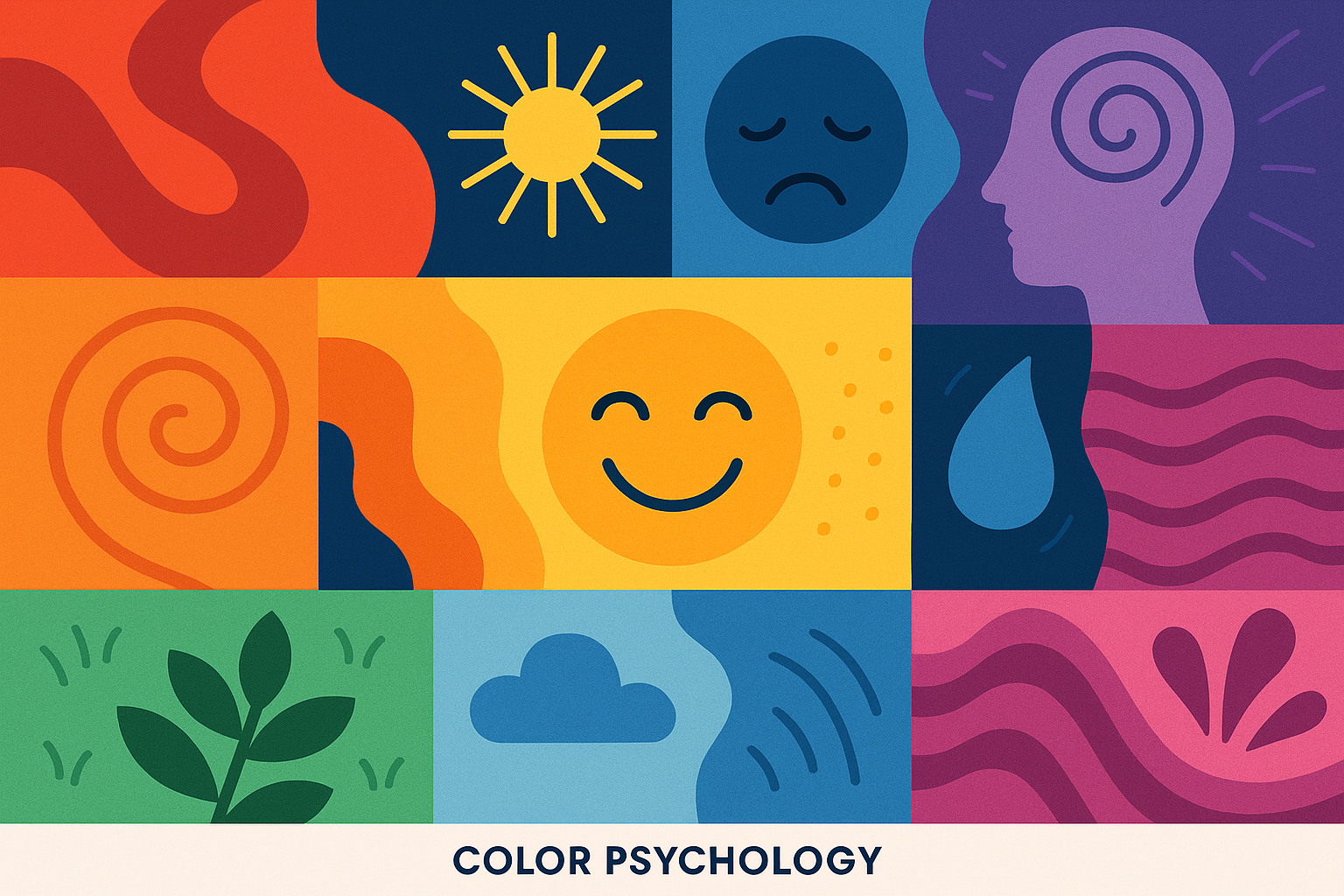
Color psychology plays a crucial role in branding and marketing, influencing consumer perceptions and behaviors. Understanding how colors affect emotions can enhance marketing strategies, making them more effective in reaching target audiences.
- Colors can evoke specific emotions and perceptions.
- Different colors have distinct meanings across cultures.
- Color choices can significantly impact branding effectiveness.
- Testing color preferences can lead to better marketing results.
What is Color Psychology and Its Importance in Marketing?
Color psychology is the study of how colors influence human behavior and emotions. In marketing, colors are strategically used to evoke feelings that can lead to purchasing decisions. Understanding color psychology is essential for creating effective branding and marketing strategies, as it helps brands communicate their message more effectively.
How Do Different Colors Affect Emotions?
Different colors are known to evoke various emotional responses. For example, red is often associated with excitement and urgency, making it effective for sales promotions. Blue, on the other hand, conveys trust and calmness, which is why many financial institutions use it in their branding. Yellow can evoke feelings of happiness and optimism, often used to attract attention.
The Role of Color in Brand Recognition
Color plays a significant role in brand recognition. Studies show that colors can increase brand recognition by up to 80%. This is because colors create a visual identity that consumers can easily associate with a brand. Consistency in color usage across all marketing materials helps reinforce brand identity and makes it memorable.
Choosing the Right Colors for Your Brand
Selecting the right colors for your brand involves understanding your target audience and the emotions you want to evoke. Conducting market research, such as surveys or focus groups, can provide valuable insights into color preferences. Additionally, consider the industry standards, as certain colors may be more effective in specific markets.
Cultural Differences in Color Perception
Cultural contexts can significantly influence how colors are perceived. For instance, while white symbolizes purity in Western cultures, it may represent mourning in some Eastern cultures. Brands aiming for a global reach must understand these cultural nuances to avoid misinterpretation and ensure effective communication.
Conclusion: Leveraging Color Psychology for Effective Marketing
In summary, understanding the psychology of colors in branding and marketing can greatly enhance the effectiveness of marketing strategies. By carefully selecting colors that resonate with target audiences and align with brand identity, businesses can improve consumer engagement and drive better results.
FAQ
What is color psychology in marketing?
Color psychology in marketing refers to how colors influence consumer emotions and perceptions. Different colors evoke specific feelings, which brands can leverage to connect with their audience effectively.
How do colors affect consumer behavior?
Colors can significantly affect consumer behavior by influencing emotions, perceptions, and decision-making. For example, red can create a sense of urgency, while blue often conveys trust and reliability.
Which colors are most effective for branding?
The effectiveness of colors in branding depends on the target audience and brand identity. However, blue is often associated with trust, green with growth, and yellow with optimism, making them popular choices.
How can I choose the right color for my brand?
To choose the right color for your brand, consider your target audience, brand values, and the emotions you want to evoke. Conducting surveys or focus groups can also provide insights into color preferences.
Are there cultural differences in color perception?
Yes, color perception can vary significantly across cultures. For instance, white is often associated with purity in Western cultures, while in some Eastern cultures, it represents mourning. Understanding these differences is crucial for global branding.