
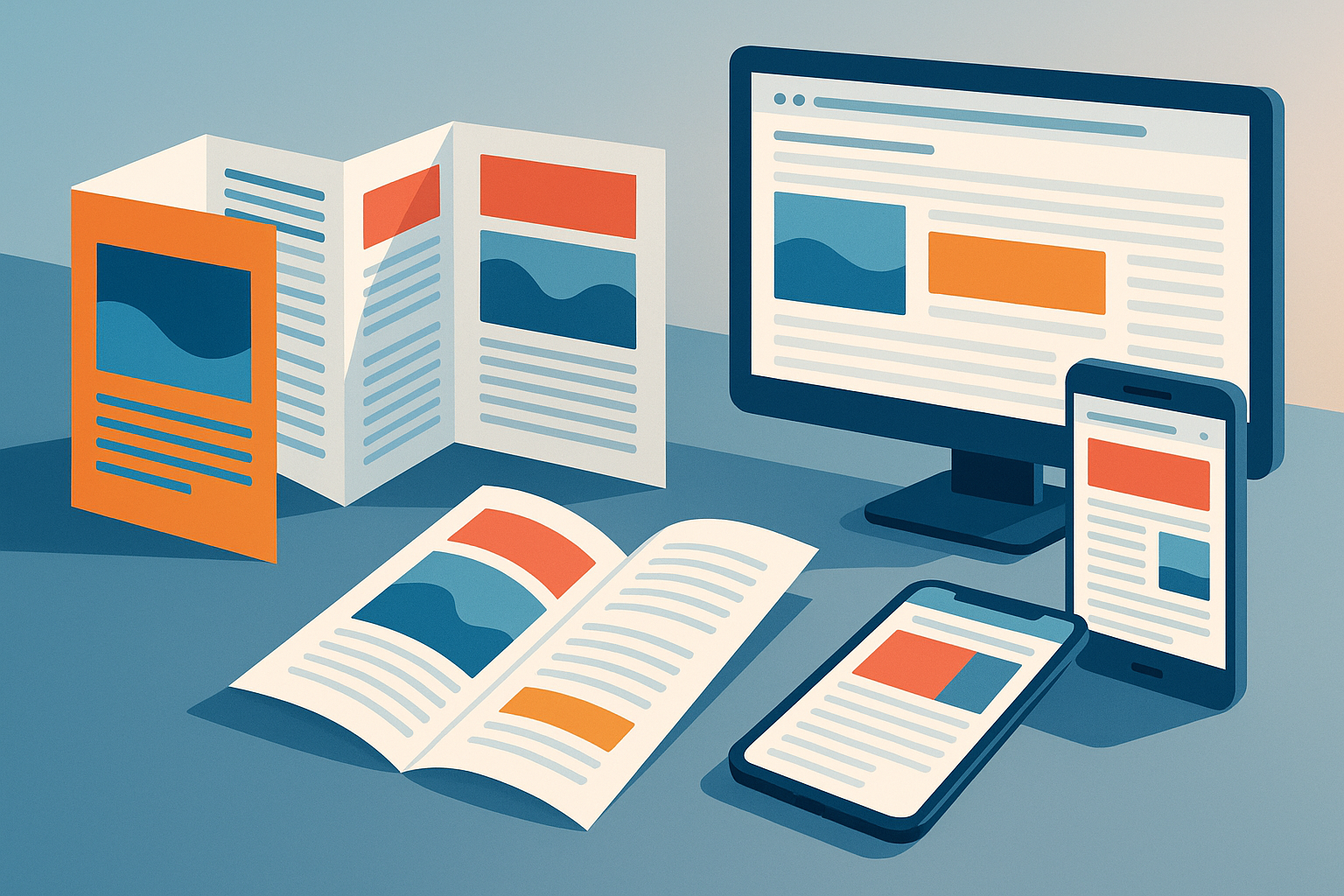
In 2026, print marketing still works effectively alongside digital strategies. Many businesses leverage print to engage customers meaningfully, proving traditional marketing methods maintain relevance. While digital marketing dominates, print offers unique advantages that can enhance overall marketing efforts.
- Print marketing can enhance brand visibility.
- It often leads to higher engagement rates than digital alone.
- Targeted print campaigns can yield significant ROI.
- Integrating print and digital marketing strategies is increasingly common.
What is the Current Role of Print Marketing?
The role of print marketing in 2026 is to complement digital efforts, providing a tangible touchpoint for customers. Many brands utilize print materials to reinforce messages delivered online, ensuring a cohesive marketing approach. Print can also target specific demographics effectively, reaching audiences that may be less engaged with digital platforms.
Why Does Print Marketing Still Matter?
Print marketing matters because it engages audiences in a way that digital cannot replicate. Many consumers appreciate the tactile nature of printed materials, which can lead to better retention of information. Studies indicate that physical advertisements often have a longer lifespan in consumers’ minds compared to fleeting digital ads.
How to Effectively Combine Print and Digital Marketing?
Businesses can create an effective synergy between print and digital marketing by using print materials to drive traffic online. For example, including QR codes on brochures can link customers directly to websites or social media pages. This strategy not only enhances user experience but also allows for better tracking of engagement metrics.
What are the Best Practices for Print Marketing in 2026?
Best practices for print marketing in 2026 include targeting specific audiences with tailored messages, using high-quality materials to enhance brand perception, and maintaining consistency with digital branding. Additionally, integrating calls-to-action in print materials, such as exclusive online offers, can increase conversion rates.
FAQ
Is print marketing still effective in 2026?
Yes, print marketing remains effective in 2026, particularly when integrated with digital strategies. It can enhance brand recognition and customer engagement, especially in targeted demographics.
What are the advantages of print marketing today?
Print marketing offers tangible engagement, higher retention rates, and can stand out in a digital-saturated environment. It also fosters a personal connection with the audience.
How can businesses integrate print and digital marketing?
Businesses can create cohesive campaigns that use print materials to drive traffic to digital platforms, such as QR codes on brochures linking to websites or social media.
What types of print marketing are most effective?
Effective types of print marketing in 2026 include brochures, postcards, and event banners. These formats provide high visibility and can be tailored to specific audiences.
What is the ROI of print marketing compared to digital?
The ROI of print marketing can be competitive with digital, particularly in targeted campaigns. Studies show that direct mail can achieve response rates of 5-9%, often outperforming email.